Giant Bamboo Biochar · Nepal
Carbon-negative.
Future-positive.
We turn the world's fastest-growing plant into durable carbon removal — producing biochar from Giant Bamboo in Nepal's Terai region, with and for local communities.
10,000
Hectares of bamboo afforestation (phased)
25
tCO₂e / ha / yr of verified carbon credits
10,000
Local households to be engaged through CPAs
~$174
Avg. biochar credit price /tCO₂e (2023)
The opportunity
The world needs carbon removal it can actually measure.
As companies race to meet net-zero commitments, the Voluntary Carbon Market is shifting from vague "avoided emissions" toward verifiable carbon dioxide removal (CDR). Biochar is an IPCC-recognised CDR method — and biochar credits trade far above nature-based offsets, averaging around $174 / tCO₂e in 2023.
What is biochar
Biomass + charcoal, transformed by fire into a durable carbon store.
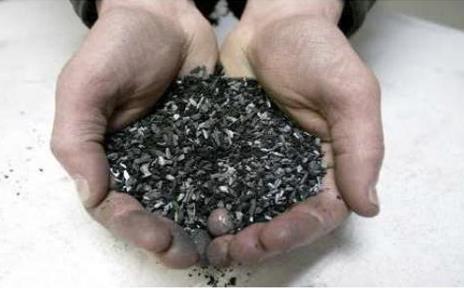
Biochar is a carbon-rich charcoal made by heating plant matter to 350–600°C with little oxygen (pyrolysis). The result is a stable solid that stores carbon in the soil for 100+ years.
Durable carbon storage
Pyrolysis locks atmospheric carbon into a stable form that resists decay for 100+ years — true carbon removal, not just avoided emissions.
Healthier, richer soil
Biochar reduces acidity and boosts fertility and water retention — lifting crop productivity by 17–50% and cutting fertiliser use 10–30%.
Cleaner land & water
Its porous structure adsorbs heavy metals and pollutants, while activating beneficial soil microorganisms.
Why Giant Bamboo
The ideal feedstock for carbon removal at scale.
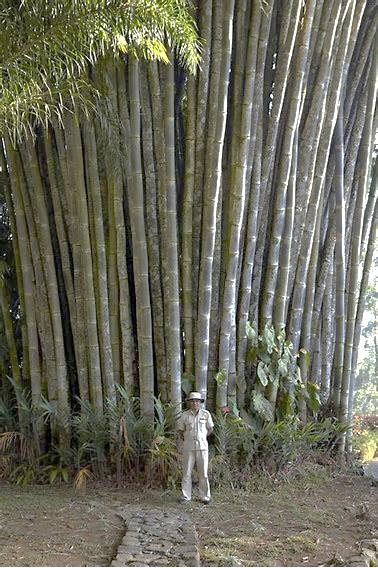
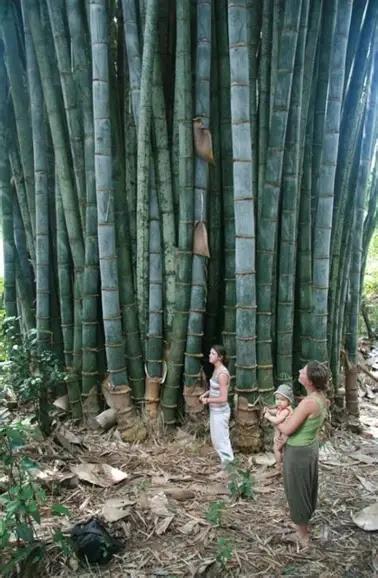
Dendrocalamus asper — Giant Bamboo — grows faster, absorbs more CO₂, and yields more biomass than any tree species. Planted once, it can be harvested every year for decades, providing a sustainable supply for biochar without replanting.
78.5 t CO₂ / ha / yr
Absorbed by Giant Bamboo — 8× a pine forest (9.7 t)
91 cm / day
Growth rate — the fastest-growing plant on Earth
20–50 years
Annual harvest from a single planting
~90 t / ha / yr
Sustainable biomass yield for biochar
Source: Giant Bamboo CO₂ absorption — UN FAO data; Pine / Cherry / Oak comparison — National Forest Research Institute of Korea.
The Nepal project
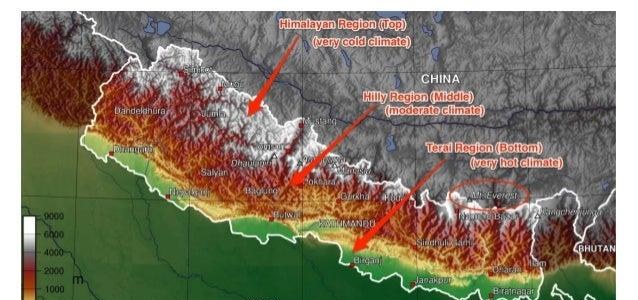
A proposed 10,000-hectare public–private partnership in the Terai region.
Nepal's government plans to allocate one hectare per household to communities in the protected Terai forest for economic forestry. We propose to support that plan with Giant Bamboo afforestation, biochar production, and carbon-credit revenue shared across all partners. The project is currently in development — no agreement has yet been signed with the Nepal government.
- Location
- Terai region, SE of Kathmandu
- Structure
- Proposed PPP with MoFE & CPA communities
- Investment
- ~$2,000 / ha · phased by 1,000 ha
- Model
- Build-Own-Operate, 20–50 years
Shared value, by design
Revenue from biochar and carbon credits is distributed across every partner in the project.
- Investor 50%
- Ministry of Forest & Environment 20%
- Community Protected Areas (local labour) 20%
- Operations & Management 10%
Estimated payback period: ~3 years, with earnings sustained over a 20–50 year operating horizon.
Figures shown are illustrative estimates from the project concept paper and are forward-looking statements subject to change. They do not constitute investment advice, a financial promotion, or an offer or solicitation to buy or sell any securities or carbon credits in any jurisdiction.

How it works
From seedling to carbon credit.
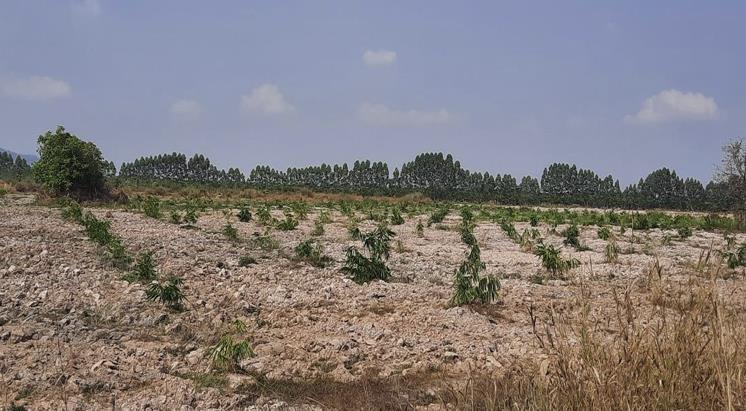
Afforestation
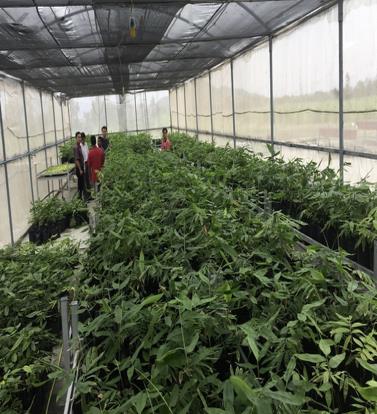
Giant Bamboo (Dendrocalamus asper) is planted across Community Protected Areas — 200 plants per hectare, one hectare per household.
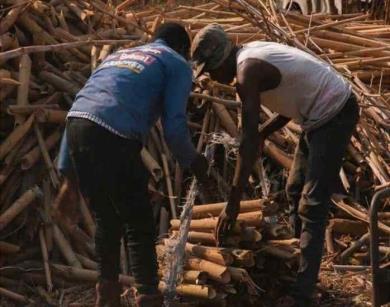
Sustainable biomass
Pruning and thinning of the protected forest supplies a continuous, waste-based feedstock — no clear-cutting required.
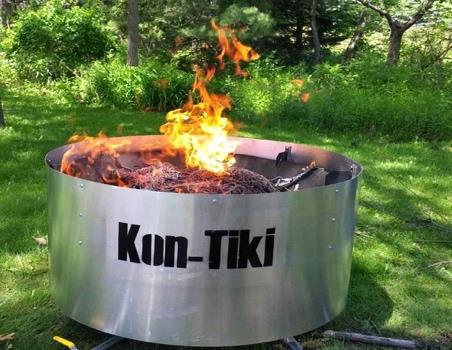
Biochar production
Biomass is converted on-site into biochar using low-cost Kon-Tiki kilns provided by investors — a labour-intensive, low-CAPEX method.
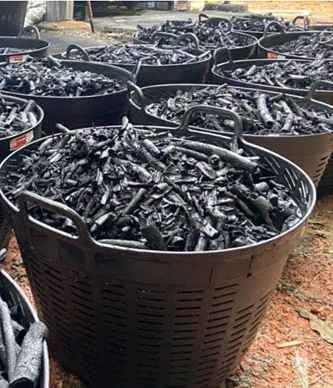
Carbon credits & sales
Biochar is sold as a soil amendment, and verified carbon credits are issued and traded on the Voluntary Carbon Market.
Impact
Climate, community, and livelihoods — together.
Beyond carbon, the project is designed to fund local jobs, improve degraded tropical soil, and provide intercropping income (beans) during the bamboo's early years — improving community well-being while restoring the forest.
10,000
Hectares of bamboo afforestation (phased)
25
tCO₂e / ha / yr of verified carbon credits
10,000
Local households to be engaged through CPAs
~$174
Avg. biochar credit price /tCO₂e (2023)
Figures shown are illustrative estimates from the project concept paper and are forward-looking statements subject to change. They do not constitute investment advice, a financial promotion, or an offer or solicitation to buy or sell any securities or carbon credits in any jurisdiction.
Credibility & track record
A proven model, recognised standards, real demand.
Our team completed the full regulatory pathway in Cambodia — from a government No Objection Letter to a signed Project Agreement — and is now replicating that proven model in Nepal. Biochar carbon credits are issued under leading registries and purchased by global corporate buyers on the Voluntary Carbon Market.
Standards the project will certify under
Eligible registries — certification to be completed during the project.
Carbon-credit demand
Biochar carbon credits are a measurable form of carbon dioxide removal (CDR) and trade well above nature-based offsets — averaging around US$174 / tCO₂e in 2023. Global corporations purchase these credits on the Voluntary Carbon Market, often through long-term, pre-sale (ex-ante) agreements.
Latest updates
News from the project
A proposed Giant Bamboo Biochar project for Nepal
A proposed revenue project to secure verified carbon credits through biochar production from Giant Bamboo (Dendrocalamus asper) in Nepal's Terai region — 10,000 ha, to be developed with the Ministry of Forest & Environment and local communities.
Read more → Project Agreement signed with the Government of Cambodia
Decarbonization & Green (Cambodia) Co., Ltd. completed a formal Project Agreement with the Ministry of Environment — the model we are now bringing to Nepal.
Read more →Get in touch
Let's build durable carbon removal together.
Whether you're an investor, a carbon-credit buyer, or a government partner, we'd love to hear from you. Reach our project lead directly.
Cheol Heui Joh (Mr.)
Managing Director
Nepal
Nepal Carbon Trading Pvt., Ltd.
Tokha Municipality-10, Kathmandu district, Kathmandu, Nepal
Cambodia
Decarbonization and Green Co., Ltd.
#89A Street 294, Phum 3, BKK1, Boeung Keng Kang, Phnom Penh, Cambodia